How to Strengthen Your Skin Barrier During Winter
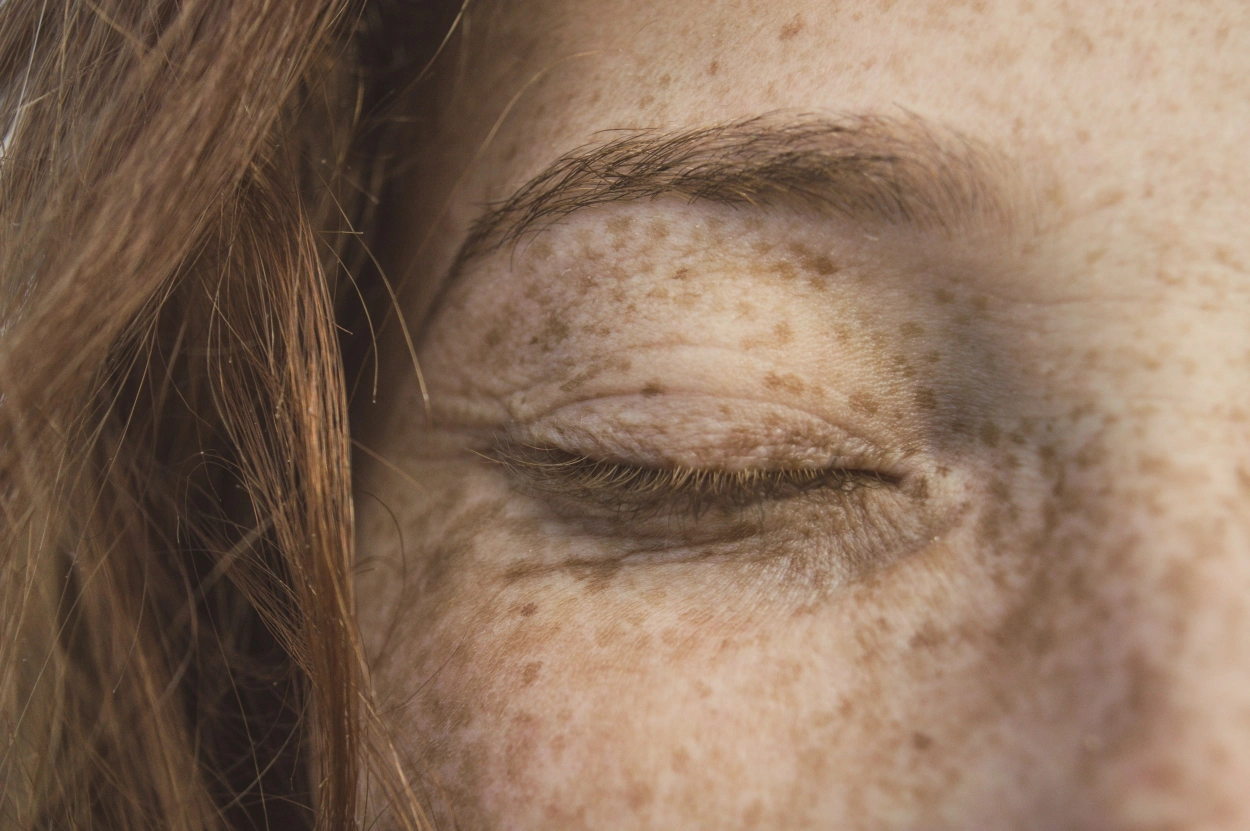
When temperatures drop, skin doesn't just feel dry. It becomes biologically stressed. Cold air, low humidity, indoor heating, wind exposure, and increased UV reflection disrupt the skin's protective barrier. Over time, repeated seasonal stress can weaken moisture balance, increase inflammatory signaling, and accelerate visible signs of aging. Winter skin concerns are not simply about dryness. They are about barrier resilience.
What is the skin barrier?
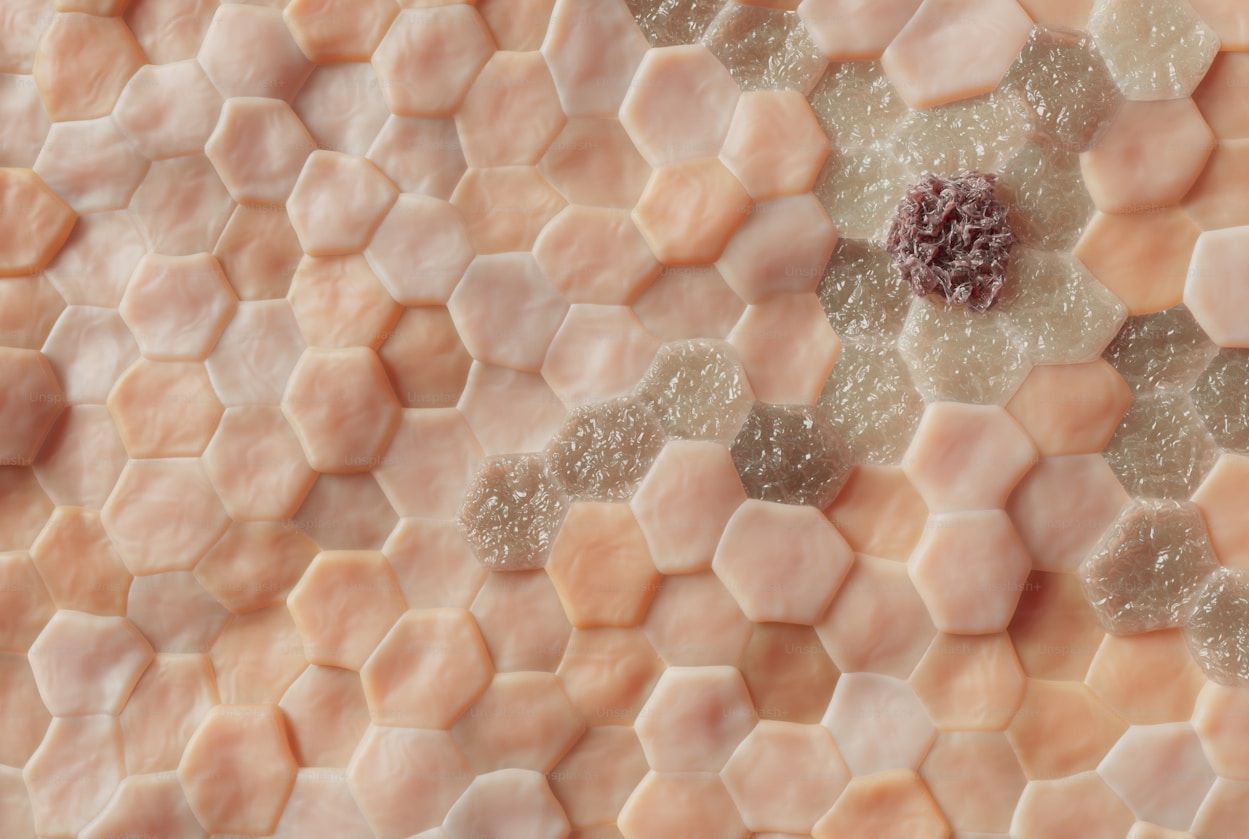
The skin barrier is the outermost layer of the epidermis, known as the stratum corneum. It consists of corneocytes (skin cells) surrounded by a lipid matrix composed of ceramides, cholesterol, and fatty acids.
In addition to its structural components, the skin barrier also supports a diverse ecosystem of microorganisms known as the skin microbiome. This community of bacteria, fungi, and other microbes plays an important role in maintaining skin balance and surface defense.
When harsh atmospheric conditions strip away lipids faster than sebocytes can replenish them, microbial diversity drops sharply. This disruption allows opportunistic bacterial colonies to trigger sub-clinical erythema and moisture loss.
Clinical Recommendation for Winter Regimens
Incorporate bio-identical ceramide complexes paired with low-percentage ectoin to reinforce bacterial commensal colonies while sealing in transepidermal hydration.
Everyone.
Everywhere.
Connect your staff web CRM with the client mobile journey—from personal plans and booking to follow-up and reporting.
Request demo