Glacies Biome · AI skin intelligence
What the swab measures, and how we interpret it.
Skin microbiome sequencing, facial AI and longitudinal records, combined into one skin profile.
Three inputs. One physician-led skin profile.
Facial imaging
Photos document visible skin features.
Microbiome sample & lab
Sampled-site bacterial sequences, taxonomic assignments and relative abundance estimates.
Lab-derived observationsTreatment history
Previous treatments, routine records and longitudinal context.
Unified skin profile
Imaging and history inform the initial profile; reviewed laboratory results add biological context when available.
AI interpretation
Models interpret patterns and propose guidance, distinct from laboratory measurements.
Model-derived interpretationPhysician review & release
The physician reviews, adjusts and releases the plan. Every treatment decision remains theirs.
Day 0 · released plan → Around Day 14 · reviewed lab tier → Around Month 3 · review checkpoint within a 3, 6 or 12-month journey
What the swab measures
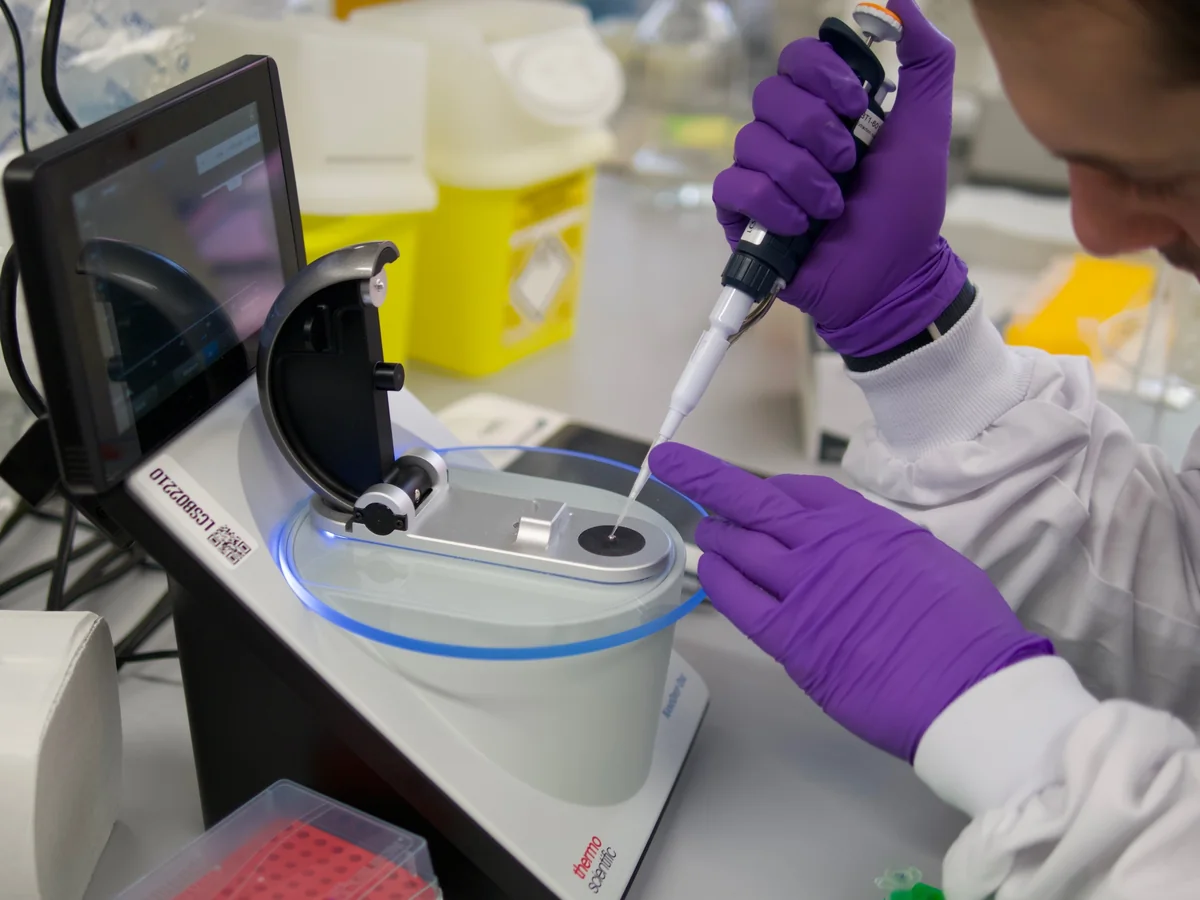
We sequence bacterial DNA using full-length 16S long reads. The laboratory produces bacterial 16S DNA sequences, taxonomic assignments and relative abundance estimates from sampled sites. These are not absolute bacterial counts, or direct measurements of inflammation or barrier strength.
Full-length 16S can improve taxonomic resolution and support species-level assignments. Resolution depends on the organism, sample, reference data and analysis; not every bacterium can be identified to species. Describing different facial zones requires samples from those zones. One swab does not map unsampled areas.
Laboratory estimates versus model interpretation
Lab-derived data
Bacterial DNA sequences, taxonomic assignments and relative abundance estimates. Collection, amplification, contamination and batch effects can influence results.
AI-derived interpretation
Models interpret skin-related patterns and propose guidance. These are interpretations, not laboratory measurements, compatibility certainty or guaranteed treatment-response predictions. The physician reviews them in clinical context.
Why the swab and camera complement each other
Photos document visible features; a sampled-site swab adds bacterial community information. Neither alone explains every cause of a skin concern. Clinical history and judgment remain essential.
Why we test again
Repeat microbiome estimates and photos show observed change alongside treatment and routine records. A baseline is a reference measurement, not an invariant personal signature. Change does not by itself establish that a treatment caused it.
2,000+ skin microbiome samples have been sequenced. Ongoing journey records support model evaluation and refinement.
From swab to result
The kit uses preservation liquid and is designed for room-temperature shipping without a cold chain; follow the collection and shipping instructions supplied with it. Sequencing takes place in our lab or a regional partner lab, with a common analysis pipeline. Sampling and laboratory differences still matter when comparing results.
Day 0
The physician releases the plan. First actions and a daily routine are available.
Around Day 14
When available and reviewed, the lab result adds the microbiome tier. Routine and photo records add separate context.
Around Month 3
A repeat swab and photos support a review. The physician and client agree the next phase of their 3, 6 or 12-month journey.
Data and regulatory position
Data is hosted in Switzerland and the EU. Contact our team for privacy and data-handling documentation. The assay targets bacterial DNA; it is not a human genetic test.
Talk to the science teamThe people behind the science
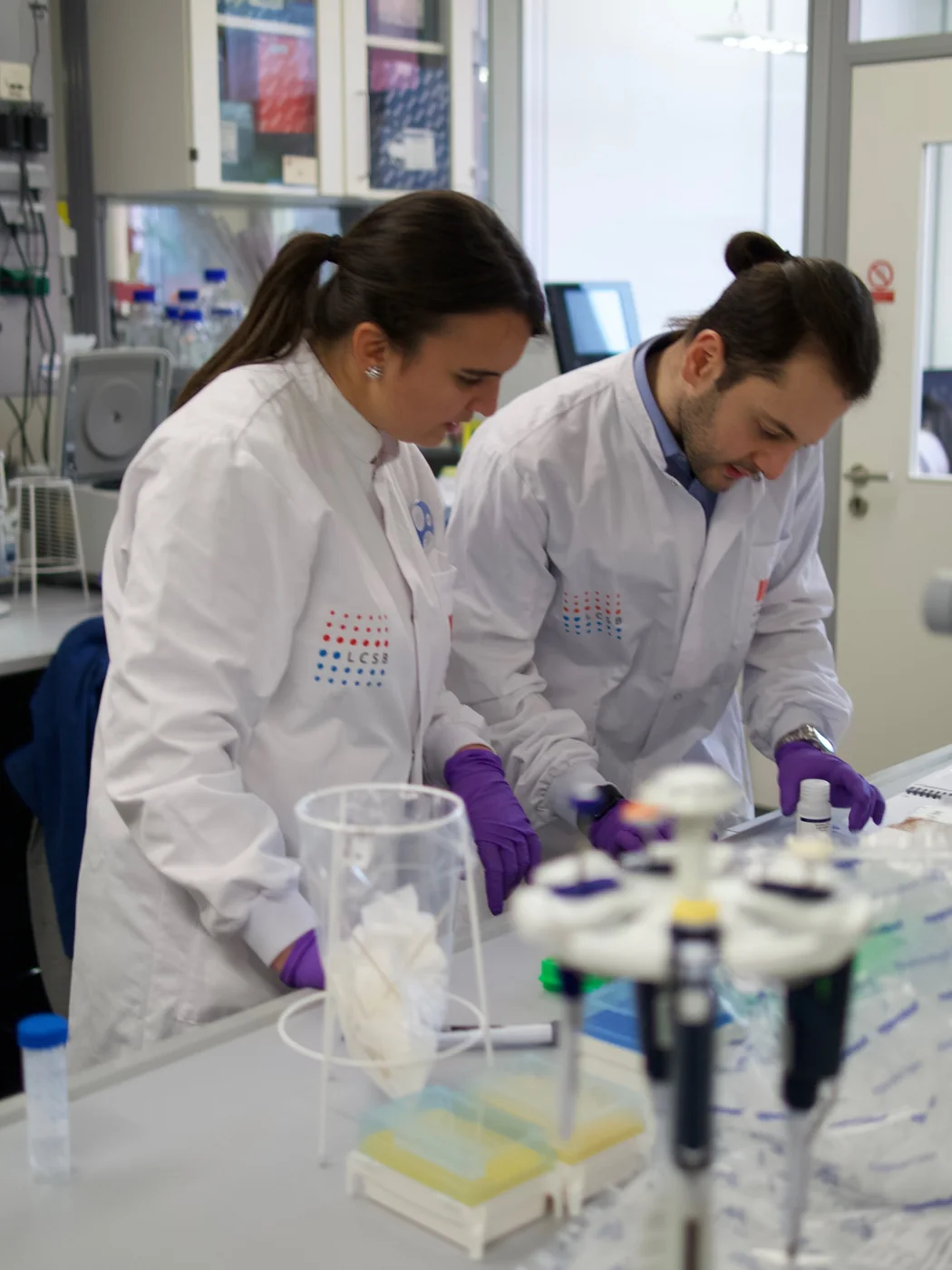
Dr. Evan Williams, CSO — Associate Professor, University of Luxembourg; multi-omics and aging.
Dr. Sarkhan Badirli, CTO — former pharma AI at Eli Lilly; PhD in Computer Vision, Purdue University.
Dr. Omar Haroon, CMO — plastic surgeon; founder of AUMAR® in Zurich.
Methodology references
These publications discuss sequencing methods, not validation of Glacies product predictions.
See how it works